What Is a Laboratory Flask?
A laboratory flask is a glass or plastic vessel used for mixing, heating, holding, and carrying liquids during scientific experiments. Unlike beakers, flasks are typically designed with a narrow neck, which helps reduce spillage, allows for easier swirling, and can support the use of stoppers or fittings for more controlled reactions.
Laboratory flasks are widely used across chemistry, biology, and physics for preparing solutions, conducting reactions, heating substances, and performing distillation or filtration processes. They are also commonly used in industries such as brewing, food production, and environmental testing where accurate liquid handling and controlled reactions are required. Their shape and design make them suitable for both classroom learning and more advanced laboratory work.
Types of Laboratory Flasks
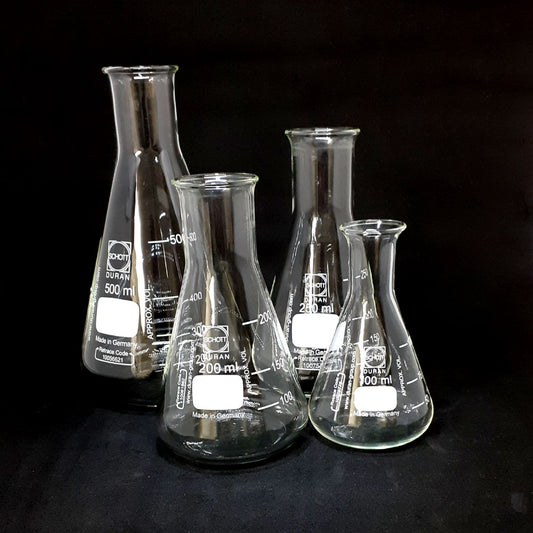
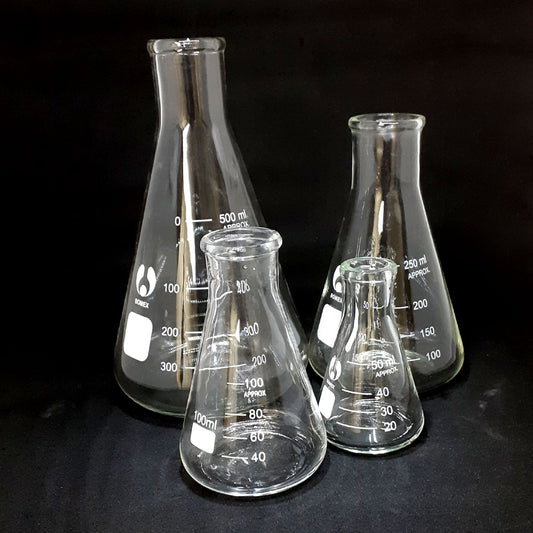
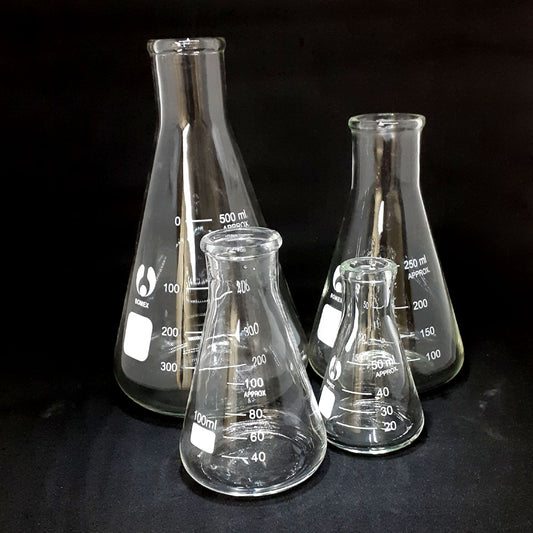
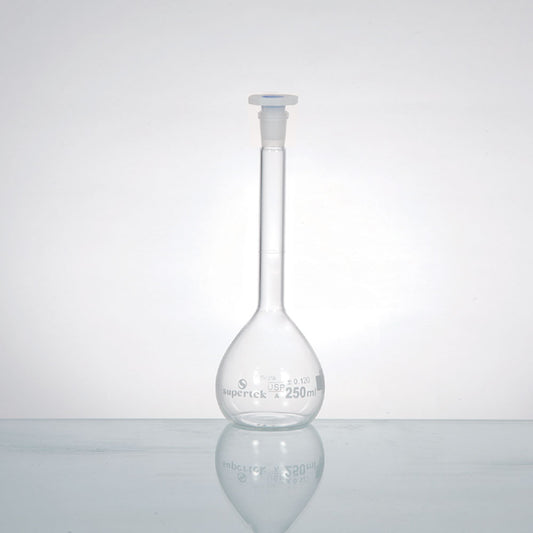
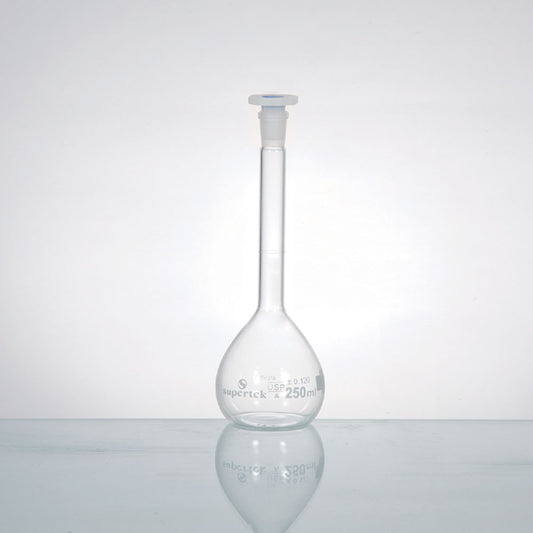
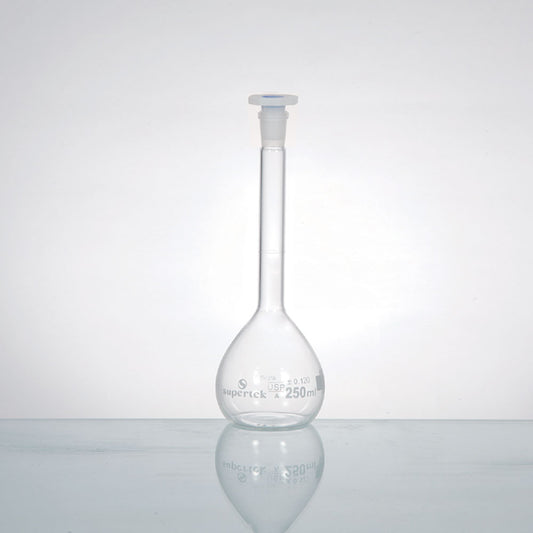
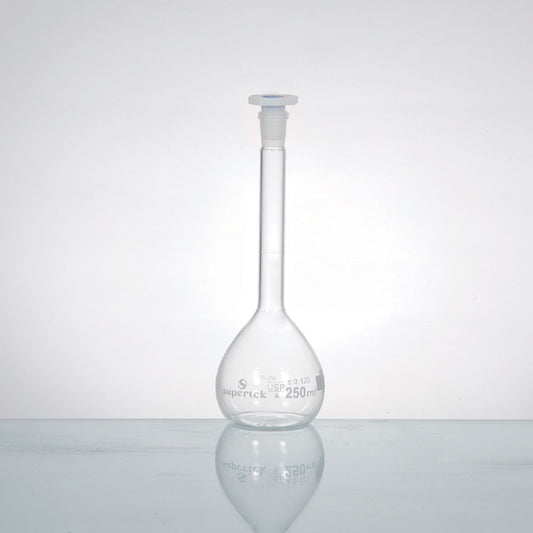
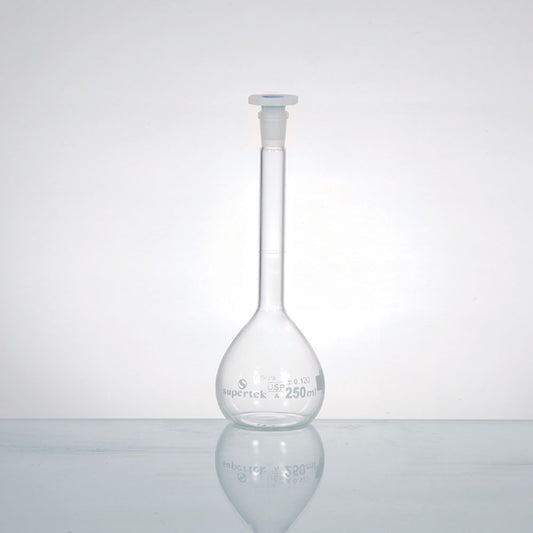
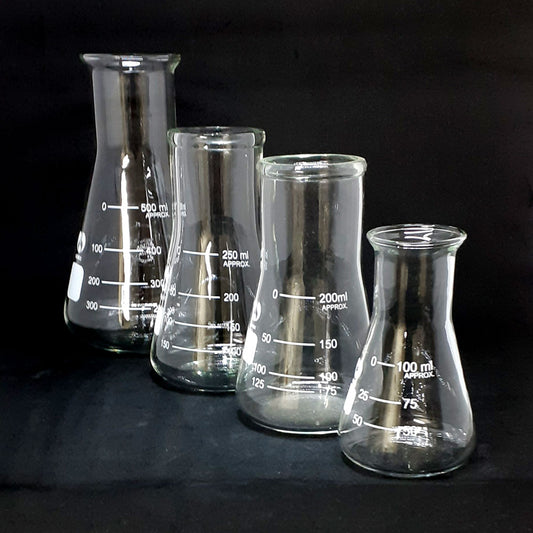
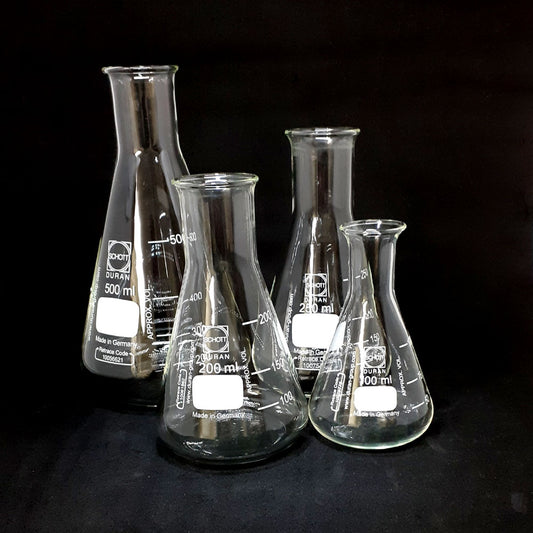
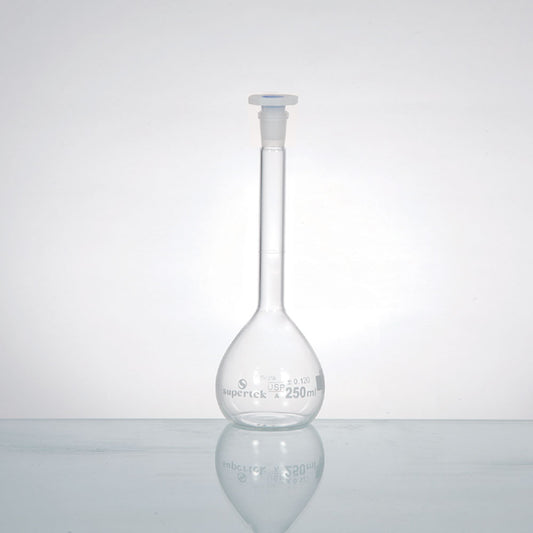
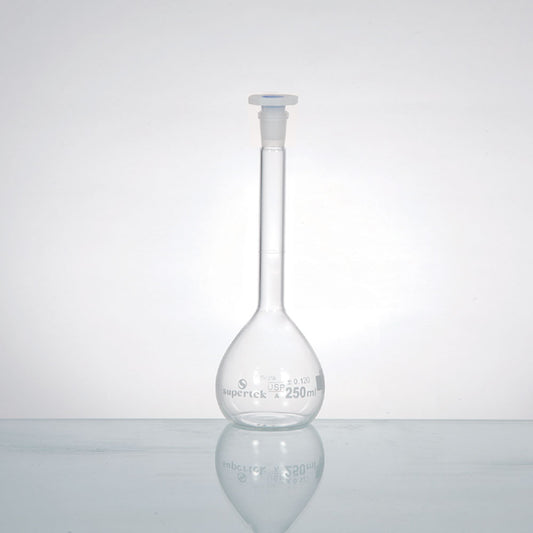
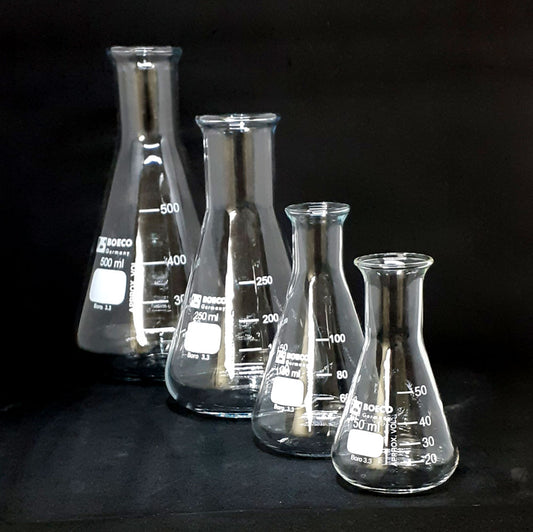
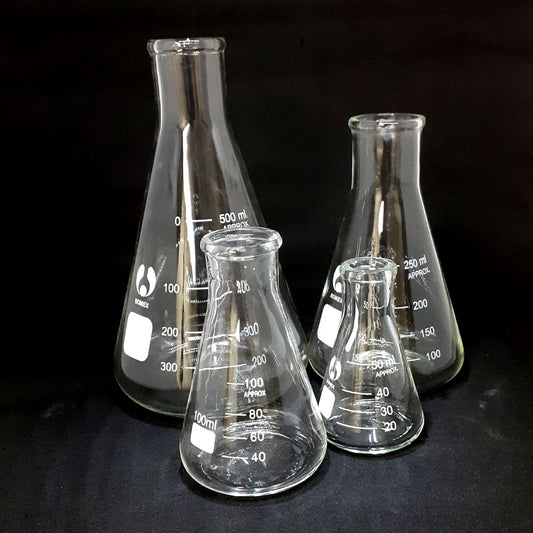
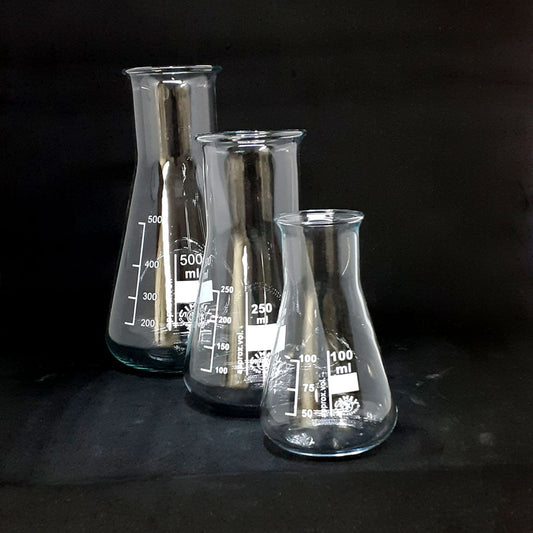
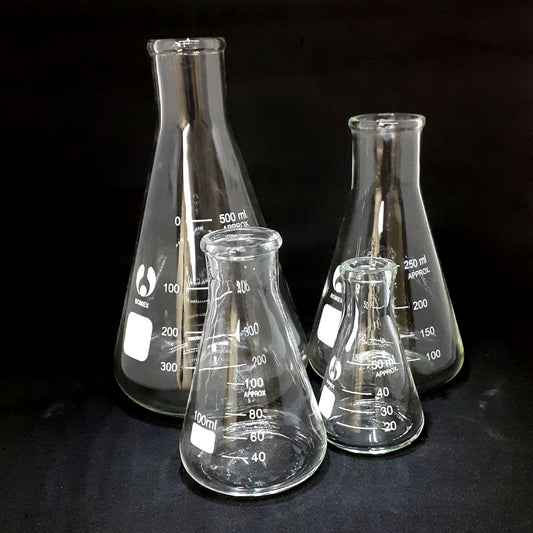
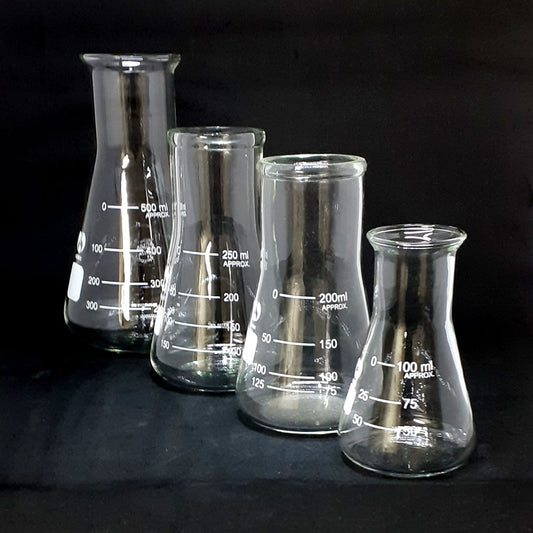
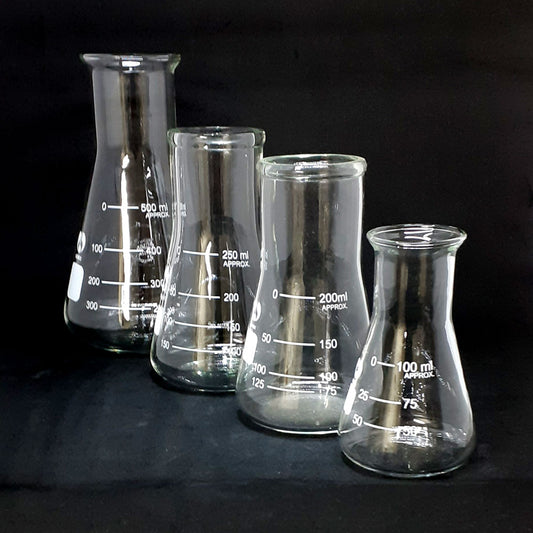
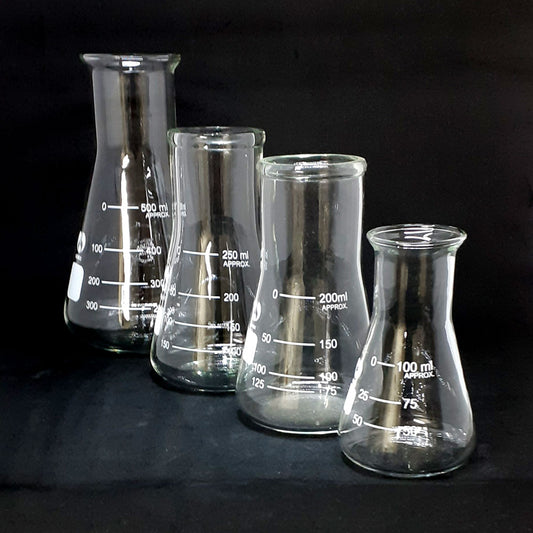
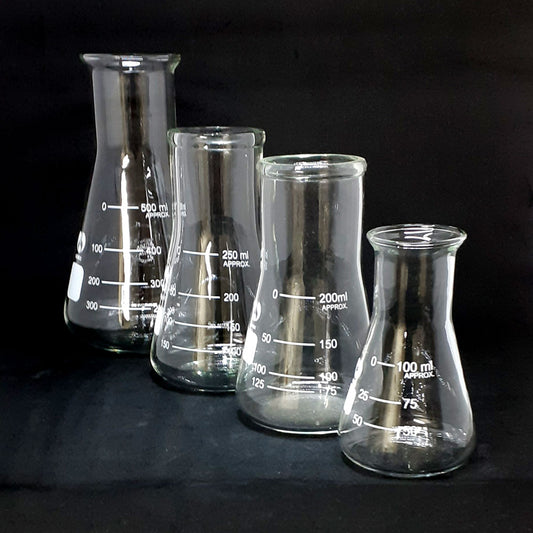
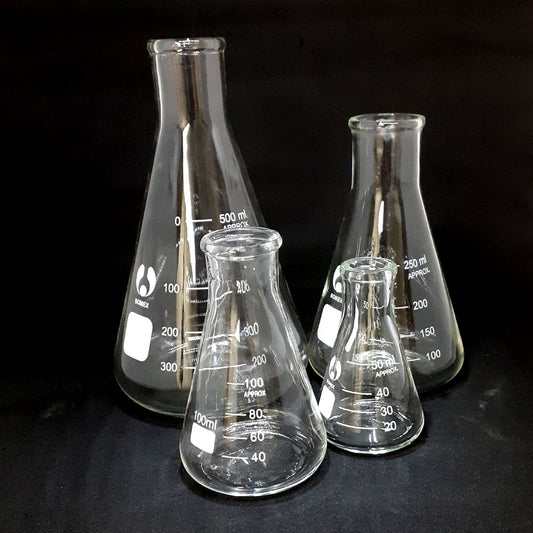
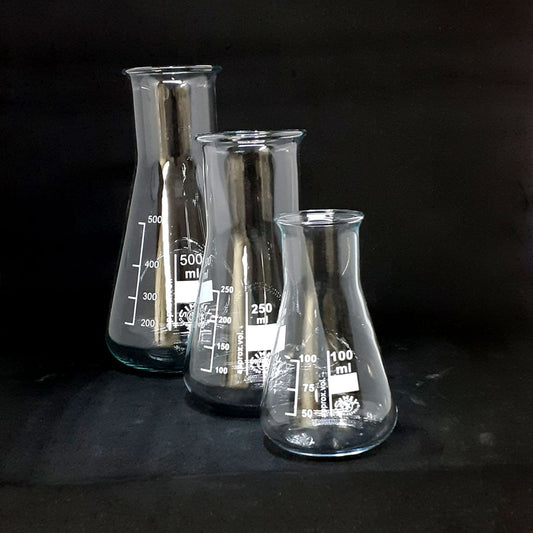
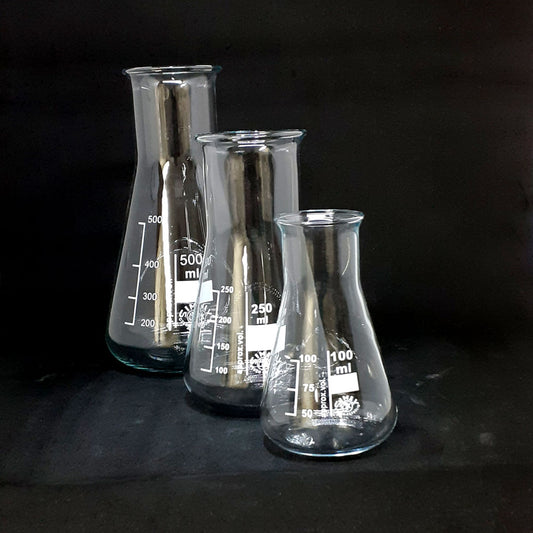
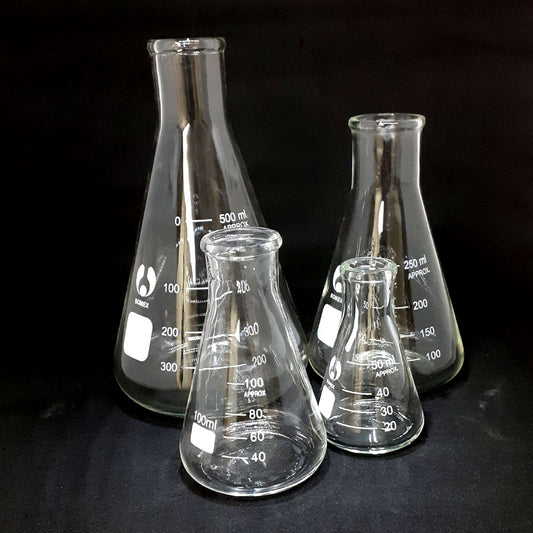
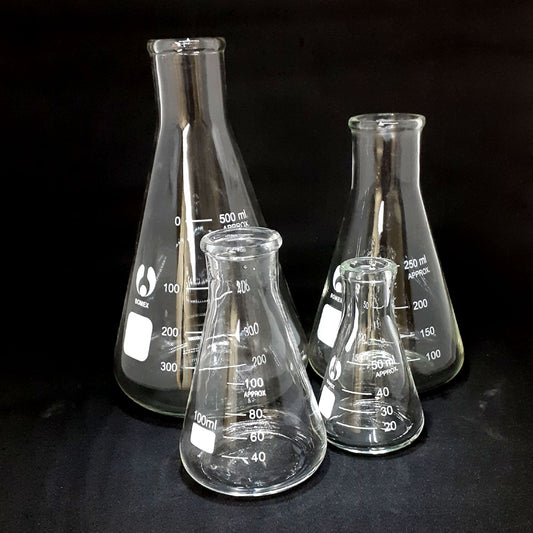
There are several types of flasks, each designed for specific laboratory applications. Conical flasks, also known as Erlenmeyer flasks, are commonly used for mixing and heating due to their wide base and narrow neck. Volumetric flasks are designed for precise solution preparation and feature a single calibration mark for accuracy.
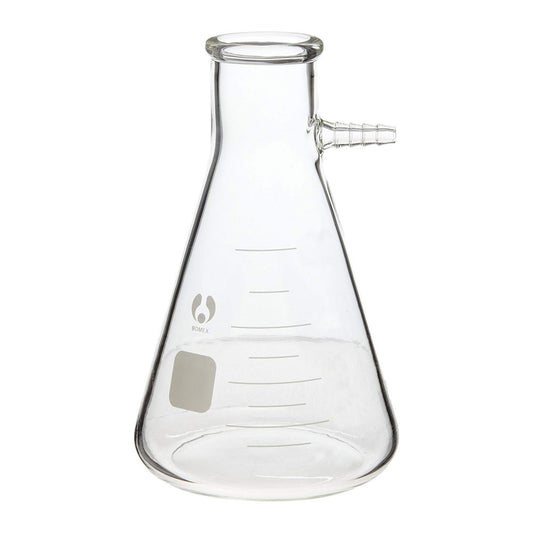
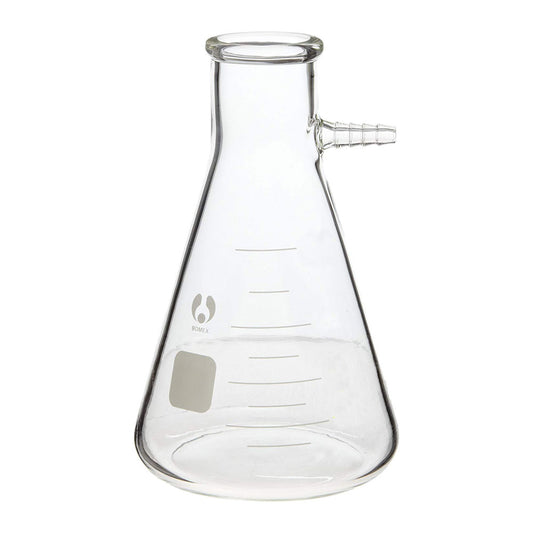
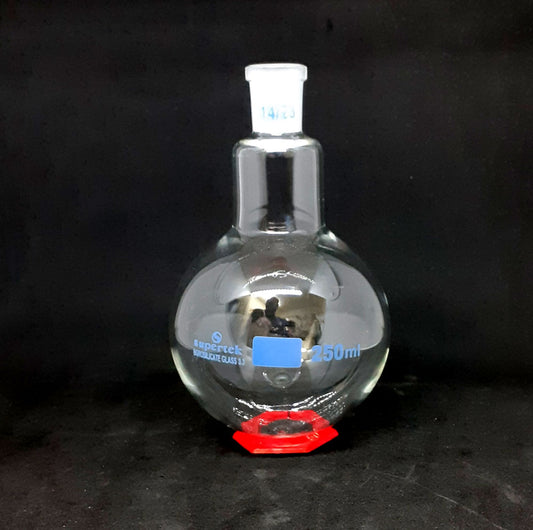
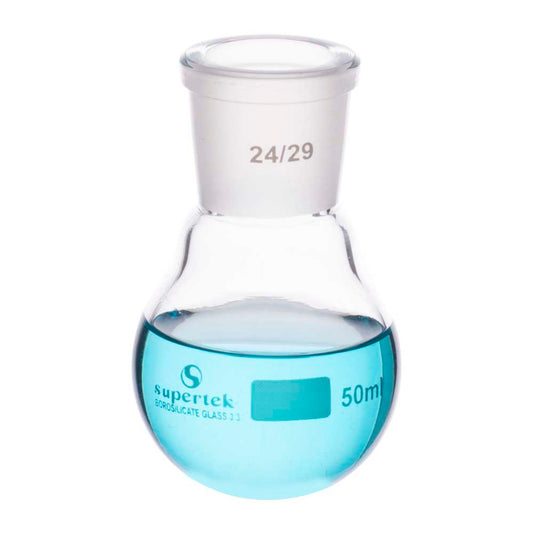
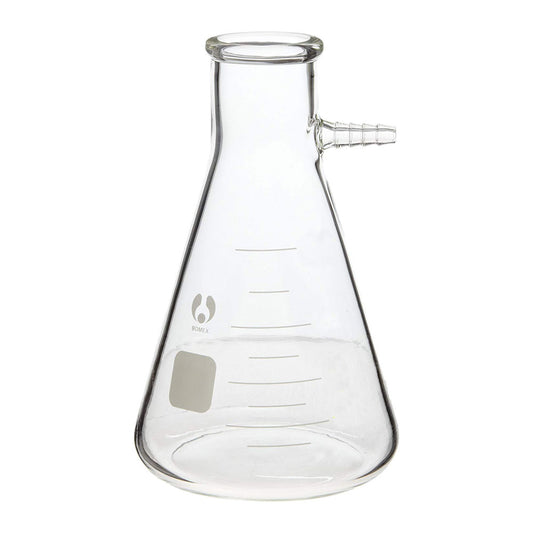
Round bottom flasks are used for heating and distillation, as their shape allows even heat distribution, while flat bottom flasks can stand independently on a bench. Boiling (Florence) flasks are suited for uniform heating, and filtering (Buchner) flasks are used in vacuum filtration setups.
Materials and Construction
Laboratory flasks are most commonly made from borosilicate glass, which offers excellent resistance to heat and chemicals. This makes them suitable for repeated heating and use with a wide range of substances in school and laboratory environments.
Some flasks may also be available in plastic materials for specific applications where impact resistance is important. All flasks are designed for durability, safe handling, and consistent performance in repeated classroom use.
Choosing the Right Flask for Your Application
The choice of flask depends on the type of experiment being carried out. Conical flasks are ideal for general mixing and heating, while volumetric flasks are essential for preparing accurate solutions. Round bottom flasks are preferred for distillation and heating applications requiring even temperature distribution.
Selecting the correct capacity is also important, with smaller volumes suited to precision work and larger flasks used for bulk preparation or more complex experiments in secondary and tertiary settings.
Common Flask Sizes in Schools
Laboratory flasks are available in a wide range of capacities to suit different educational needs. Smaller sizes such as 50ml and 100ml are commonly used for introductory experiments and small-scale reactions. Medium sizes like 250ml and 500ml are widely used in secondary school laboratories for general practical work.
Larger capacities, including 1000ml and above, are used for advanced experiments, solution preparation, and tertiary-level laboratory work where greater volumes are required.
Frequently Asked Questions
What is the difference between a flask and a beaker?
A flask is designed for controlled mixing, heating, and reduced spillage due to its narrow neck, while a beaker is more suitable for general holding, stirring, and pouring.
What is a conical flask used for?
A conical flask is used for mixing, heating, and swirling liquids without spilling, making it one of the most commonly used flasks in school laboratories.
Are laboratory flasks heat resistant?
Most laboratory flasks made from borosilicate glass are highly heat resistant and suitable for direct heating in many standard laboratory applications.