Types of Laboratory Glassware
Laboratory glassware is used for measuring, mixing, heating, transferring and storing liquids and chemicals during scientific experiments and laboratory procedures. Different types of glassware are designed for specific tasks, from general classroom activities to accurate solution preparation and specialist laboratory investigations.
Beakers and Laboratory Flasks
Glass beakers are versatile laboratory containers used for mixing, holding, pouring and, where suitable, heating liquids. Their wide openings and pouring spouts make them practical for everyday laboratory work. Beaker graduations generally provide approximate volumes rather than precise measurements.
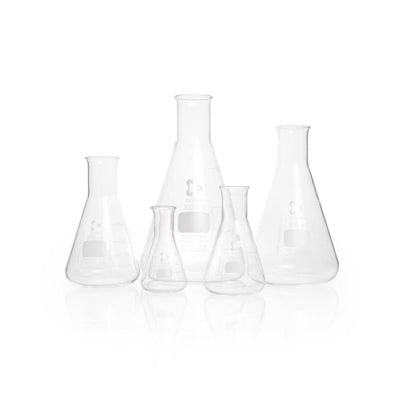
Laboratory flasks are available in several designs, including conical (Erlenmeyer), round-bottom and volumetric flasks. Conical flasks are useful for swirling and mixing solutions, including during titrations. Round-bottom flasks are used in suitable heating and reaction setups, while volumetric flasks are designed for preparing solutions to a specified volume.
Explore our Glass Beakers and Laboratory Flasks collections.
Measuring Cylinders, Burettes and Pipettes
Measuring cylinders, also known as graduated cylinders, are used to measure liquid volumes with greater precision than standard beakers. They are available in different capacities and graduation intervals to suit a range of laboratory activities.
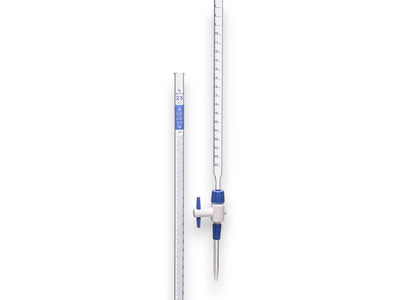
Burettes allow controlled dispensing and measurement of liquid volumes, particularly during titrations. Volumetric pipettes are designed to deliver a specified volume, while graduated pipettes can be used to measure and transfer different volumes within their calibrated range.
When accurate measurement is important, consider the required capacity, graduation interval, calibration class and stated tolerance. The appropriate equipment will depend on the precision required for the procedure.
Explore Measuring Cylinders, Glass Burettes and Liquid Handling.
Test Tubes, Funnels and Glass Bottles
Test tubes are commonly used for holding, mixing and observing small quantities of substances during laboratory experiments. Some are suitable for heating, while others are intended for general handling or sample storage. Always check the glass type and product specifications before heating.
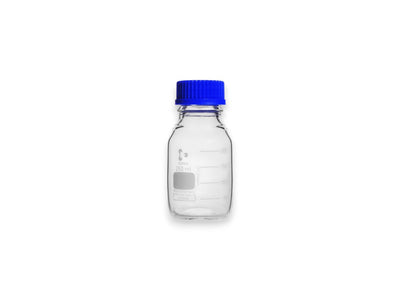
Laboratory funnels assist with transferring liquids between containers and with filtration when used with suitable filter paper or other filtration equipment. Glass bottles are used for storing reagents, prepared solutions and laboratory samples.
Select the appropriate size, glass material and closure for the intended application, taking account of chemical compatibility and storage requirements.
Explore Test Tubes, Glass Funnels and Glass Bottles.
Specialist Laboratory Glassware
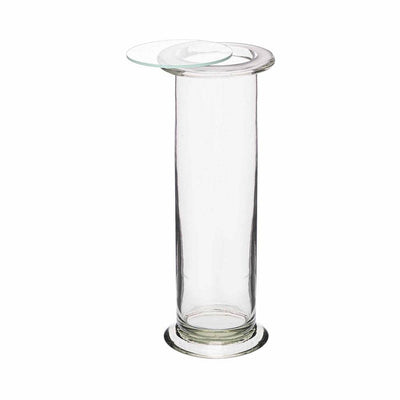
Specialist glassware includes glass tubing, gas jars, Quickfit apparatus and other equipment used in more specific laboratory procedures.
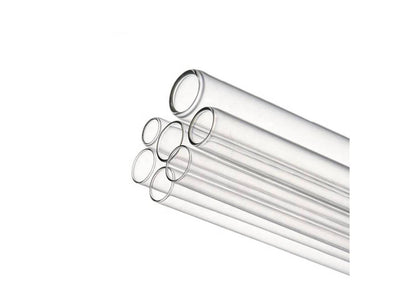
Quickfit apparatus uses compatible ground-glass joints to connect components for assemblies such as distillation and reflux setups. Glass tubing can be incorporated into suitable experimental apparatus, while gas jars are commonly used for collecting and demonstrating the properties of gases.
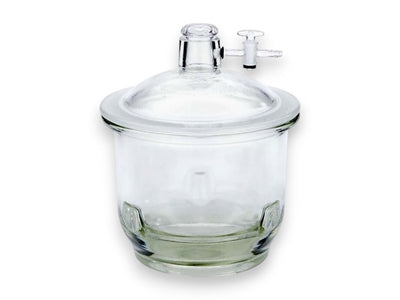
Other laboratory glassware supports applications such as evaporation, drying, gas collection and the handling of specialist samples. Always check component compatibility and the requirements of the intended experiment.
Browse our Glass Tubing, Gas Jars, Quickfit Apparatus and Sundry Glassware collections.
Understanding Laboratory Glassware Materials
Laboratory glassware is manufactured from different glass compositions, each with properties suited to particular applications. Understanding the material helps when selecting equipment for heating, chemical handling, measurement and storage.
Borosilicate Glass 3.3
Borosilicate glass 3.3 is widely used in laboratory equipment because of its low thermal expansion, good resistance to thermal shock and resistance to many chemicals. It is commonly used in suitable beakers, flasks and other laboratory apparatus where temperature changes or chemical exposure are important considerations.
However, not all laboratory glassware is manufactured from borosilicate glass, and not every borosilicate product is suitable for direct heating. The design, wall thickness, calibration and intended use of the individual item must also be considered.
Soda-Lime Glass
Soda-lime glass is used in certain laboratory bottles, tubes and other glass products where the thermal performance of borosilicate glass may not be required.
It generally has a higher coefficient of thermal expansion than borosilicate glass and is less resistant to rapid temperature changes. Soda-lime glassware should not be assumed suitable for heating unless specifically rated for that purpose.
Choosing the Right Laboratory Glassware
The most suitable laboratory glassware depends on what you need to do, the substances being handled and the level of measurement accuracy required.
- Purpose: Choose equipment designed for measuring, mixing, heating, transferring, collecting or storing substances.
- Capacity: Select an appropriate size for the quantity being handled, allowing sufficient space for safe mixing where necessary.
- Measurement accuracy: Use calibrated volumetric glassware when precise volumes are required. Check the graduation interval, calibration class and tolerance where applicable.
- Glass material: Consider chemical compatibility, thermal resistance and the manufacturer's specifications.
- Heating: Only heat glassware designed for the intended heating method. Avoid sudden temperature changes and do not heat damaged glassware.
- Connections and closures: Check ground-glass joint sizes, stopper compatibility, bottle caps and other fittings when selecting components.
- Care and inspection: Inspect glassware for cracks, chips and other damage before use. Follow appropriate cleaning, handling and storage procedures.
For New Zealand schools, tertiary institutions, research facilities and commercial laboratories, selecting suitable glassware supports reliable experimental results, efficient laboratory work and safe handling practices.
Frequently Asked Questions
What is laboratory glassware used for?
Laboratory glassware is used for measuring, mixing, heating, transferring, collecting and storing liquids, chemicals and samples. Common examples include beakers, flasks, test tubes, measuring cylinders, burettes and glass bottles. Each type is designed for particular laboratory applications.
What is the difference between borosilicate glass and ordinary glass?
Borosilicate glass has lower thermal expansion and generally better resistance to thermal shock than standard soda-lime glass. This makes it suitable for many laboratory applications involving temperature changes, provided the specific product is designed for those conditions. Always check the material and manufacturer specifications.
Can all laboratory glassware be heated?
No. Some laboratory glassware is designed for heating, while other products are intended for measurement, storage or general handling. Volumetric glassware, for example, should not normally be heated because temperature changes can affect calibration and may damage the apparatus. Only use glassware approved for the intended heating method.
What is the difference between a beaker and a measuring cylinder?
A beaker is primarily used for holding, mixing and, where suitable, heating liquids. Its graduations usually provide approximate volumes. A measuring cylinder has a narrower shape and graduated scale designed for more precise liquid volume measurements.
Which laboratory glassware is best for accurate liquid measurements?
The appropriate choice depends on the task. Volumetric flasks are used to prepare solutions to a specified volume, volumetric pipettes transfer a specified volume, and burettes measure the volume dispensed during procedures such as titrations. Measuring cylinders are useful for general volume measurements where the highest precision is not required. Always check the calibration and tolerance of the individual item.
What laboratory glassware is commonly used in school science experiments?
Common laboratory glassware includes beakers, conical flasks, test tubes, measuring cylinders, funnels, burettes and reagent bottles. The equipment required depends on the experiment, student level and applicable laboratory safety procedures.